Entry · Ref E5AKHIUH
Why Vinyl Car Wrap Quality Matters More Than You Think
- Posted
- 2026-10-09
- Last amended
- 2026-10-09
- Account
- @vinylcarwrapreport
I have spent years working with automotive finishes, and one thing I have learned is that a vinyl car wrap is not just a cosmetic upgrade. It is a protective layer, a statement of identity, and often the most visible investment a car owner makes. In Singapore, where humidity and tropical sun test every exterior surface, the difference between a wrap that lasts three years and one that peels in six months comes down to material selection and installation technique.
Walking into a shop that offers a vinyl car wrap, you might see dozens of colour swatches and finish samples. But the real knowledge lies in understanding what sits beneath that top layer. The adhesive, the vinyl thickness, the laminate coating - these are what determine whether your wrap survives a Singapore thunderstorm or fades after a season of midday sun.
Materials That Matter
Not all vinyl is created equal. Premium manufacturers like 3M, Oracal, and Avery Dennison invest heavily in adhesive chemistry and UV resistance. Their products are engineered for outdoor durability, which is critical in a tropical climate. A cheaper vinyl might look identical in the roll, but after six months of exposure, you will see the difference in fading, cracking, or adhesive failure.
When I first started working with wraps, I made the mistake of using a budget vinyl for a client who wanted a gloss finish on his daily driver. Within a year, the edges lifted around the door handles and the colour had noticeably dulled. That experience taught me that material cost is not an expense - it is an investment in longevity. Today, I only use calendared or cast vinyl from these top brands, depending on the application. Cast vinyl conforms better to curves and complex panels, making it ideal for full vehicle wraps.
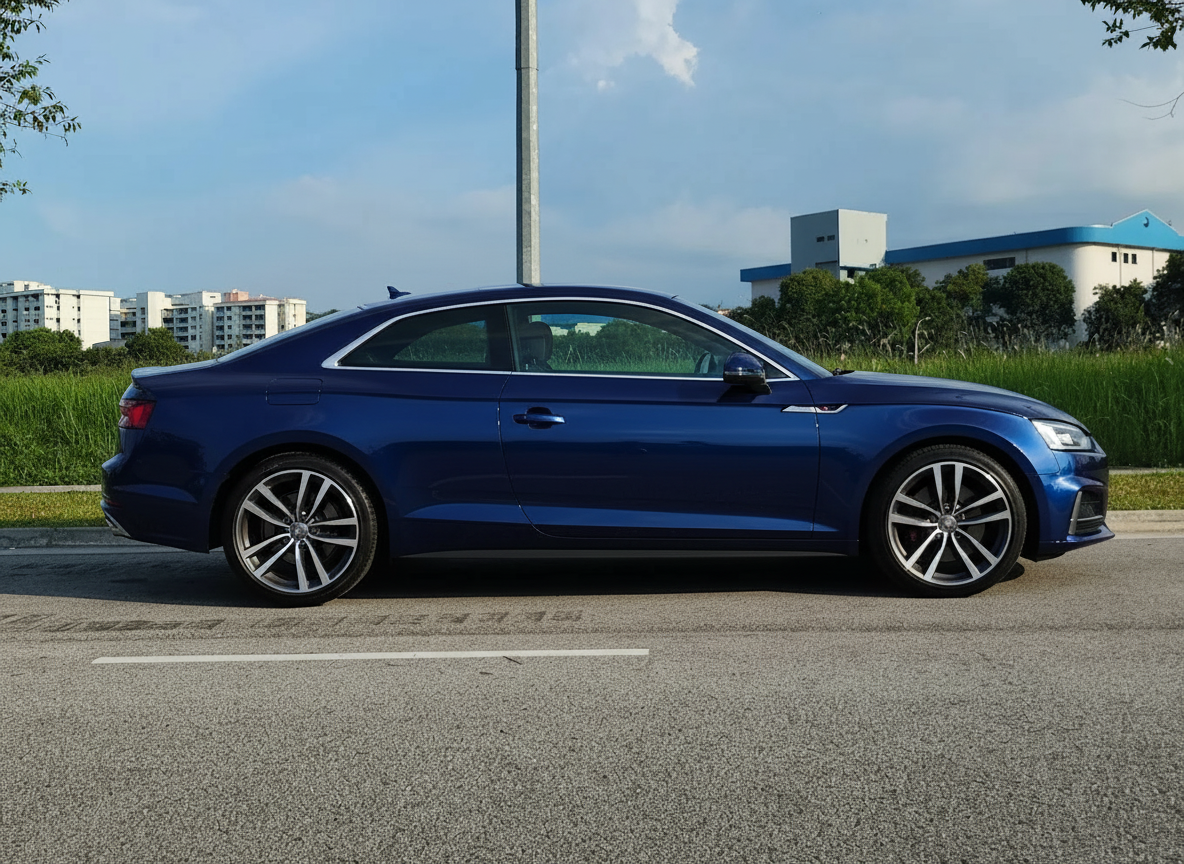
Finishes and Effects
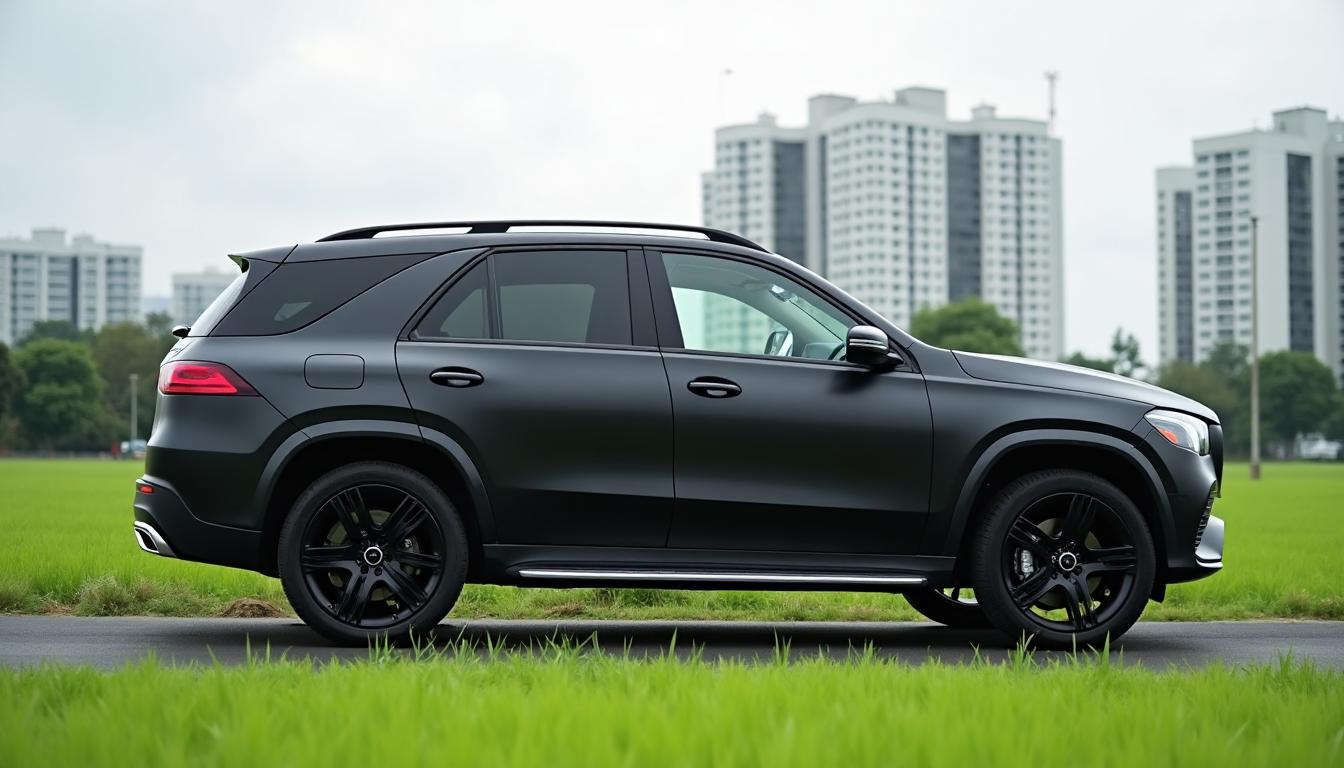
The finish you choose affects not only the look but also the maintenance. A gloss finish gives a deep, wet shine that really pops under Singapore's bright skies. But it shows fingerprints and water spots more readily than a matte finish. Matte finishes have gained popularity because they hide minor imperfections and give a modern, subdued aesthetic. They also tend to be slightly more forgiving during installation, as they do not highlight every tiny dust particle trapped under the film.
Beyond gloss and matte, there are specialised finishes like carbon fiber, which adds a textured, high-end look to sections like the hood or mirror caps. Color shift films change hue depending on the viewing angle, creating a dynamic effect that turns heads. Metallic wrap options embed tiny metal flakes that reflect light differently, giving the car a premium, almost liquid-metal appearance. Each of these finishes requires slightly different handling during installation. For example, metallic wraps are less stretchable than solid colours, so the installer must be careful not to overheat the film with the heat gun.
The Tools and Techniques Behind a Good Wrap
Professional installation relies on a set of tools that are simple in concept but demanding in practice. A silicon squeegee is essential because it glides over the vinyl without scratching it. Unlike a standard plastic squeegee, silicon does not leave micro-scratches on the surface of the film. A heat gun is used to warm the vinyl so it becomes pliable enough to stretch around compound curves like bumper corners or door handles. Too much heat, and the vinyl can shrink or distort. Too little, and it will not conform properly, leading to bubbles or lifting.
One tool that often gets overlooked by DIY enthusiasts is the weeding tool. This small, sharp blade is used to remove excess vinyl from around cut lines, especially for lettering or intricate designs. When paired with application tape, which holds the cut vinyl in place during transfer to the car, the weeding tool allows for precise, clean edges. I have seen many beginners try to skip the weeding step and end up with ragged lettering that ruins the whole look.
For custom graphics and full-colour artwork, the process moves beyond simple coloured vinyl. A digital print is produced on a large-format printer, then protected with a layer of lamination. This lamination is a clear film that shields the ink from UV rays, scratches, and chemical contaminants like bird droppings or tree sap. Without lamination, a printed wrap can fade within months. With a good laminate, the same print can last three to five years. Some shops even offer sublimation for certain applications, though that process is more common on fabric and hard substrates than on vehicle wraps.
How Wraps Are Made and Applied
The production of a custom wrap starts with a vinyl cutter that traces the outline of each body panel. The shop uses templates - either purchased from a supplier or created by scanning the actual car - to ensure the vinyl pieces fit precisely. These templates account for the three-dimensional shape of each panel, so the installer does not have to guess where the edges should go.
Once the vinyl is cut, the installer cleans the car thoroughly, removing any wax, dirt, or oil. The surface must be absolutely clean for the adhesive to bond. Then the vinyl is applied section by section, using the silicon squeegee to push out air bubbles. The heat gun is used on every curved area to prevent the vinyl from pulling back. This is where experience matters most. A skilled installer knows how much heat to apply, how fast to stretch the film, and when to stop and reposition.
Why Free Quotes Matter
Before committing to a wrap, it is smart to get a free quote. A reputable shop will walk you through the options, explain the differences between materials, and show you samples of the finishes you are considering. They should also provide templates so you can preview how the wrap will look on your specific car model. This preview step is invaluable because it reveals how the colour or pattern interacts with the lines of your vehicle. What looks great on a flat swatch might not work on a curved bumper or a complex panel.
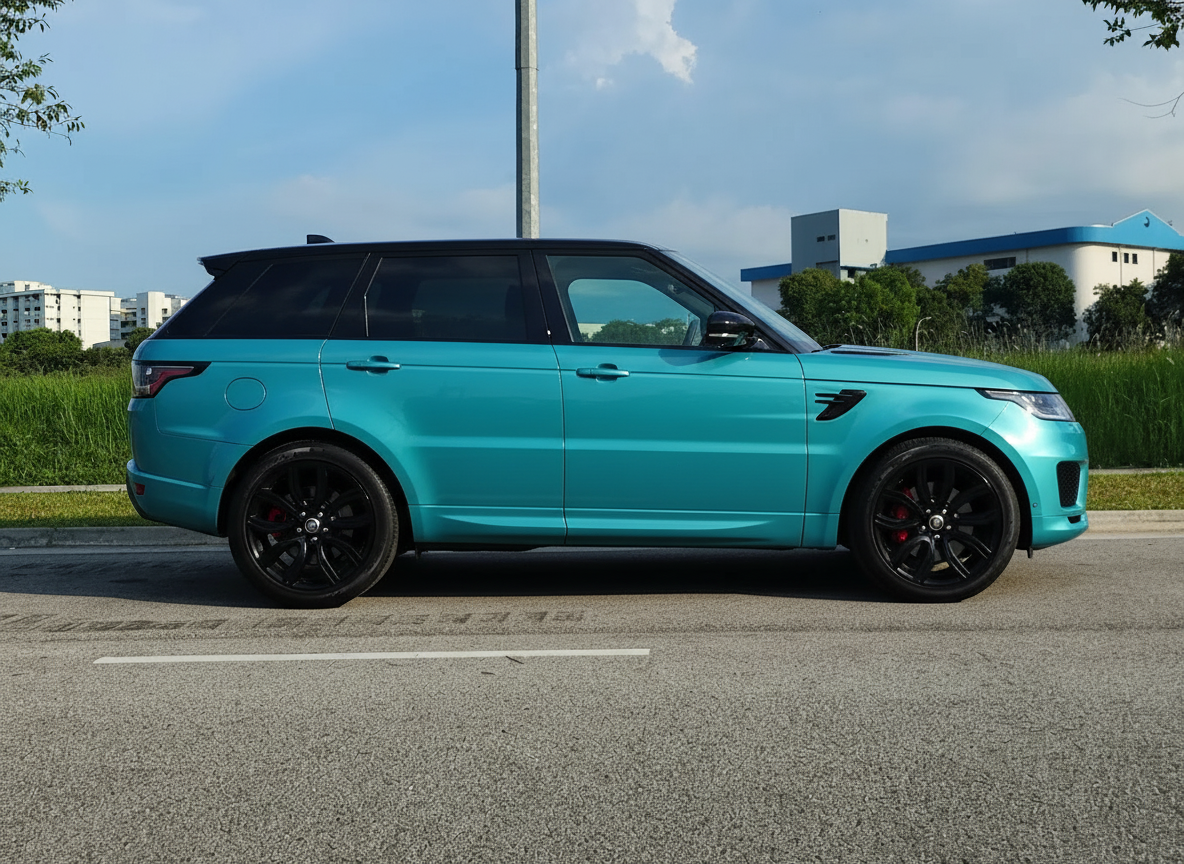
In Singapore, where space is tight and cars are often parked outdoors, a wrap that stands up to the elements is a practical choice. It protects the original paint from UV damage, minor scratches, and bird droppings. And when you are ready for a change, a quality wrap can be removed without damaging the underlying paint, giving you the freedom to update the look every few years.
Final Thoughts
Choosing a vinyl car wrap is a decision that blends aesthetics with practicality. The materials, the finish, the installation tools, and the skill of the installer all contribute to the final result. By understanding these elements, you can make an informed choice that will keep your car looking great for years. Whether you prefer a bold metallic wrap or a subtle matte finish, the key is to work with a shop that values quality and transparency. A free quote is the first step toward getting the wrap that fits your style and your budget.